RoadSpecs: Smart Glasses-Based Conversational Interventions for Real-Time Drowsy Driving Prevention
Can conversation keep a drowsy driver awake at the wheel?
Overview
An undergraduate thesis conducted at the Human-X Interactions Lab, De La Salle University – Manila. RoadSpecs investigates whether real-time AI-driven conversation can serve as a countermeasure to drowsy driving, using a custom smart glasses prototype with infrared and gyroscope-based drowsiness detection paired with a conversational agent that intervenes when drowsiness is detected.
Role
UX Researcher & Conversation Designer: co-designed the conversational intervention system, led user study protocol design, conducted semi-structured and follow-up interviews, and analyzed conversation transcripts and behavioral data.
Lab
Human-X Interactions Lab, DLSU–Manila
Team
Beatrice Berenguer, Leigh Arriane Buendia, Alfonso Gabriel Lima, Christopher Mari Pinpin
Adviser
Dr. Briane Paul V. Samson
Timeline
August 2022 to August 2023
Methods
User studies (n=30), semi-structured interviews, PERCLOS analysis, linear regression, video & transcript analysis
Tech Stack
Case Study
Overview
RoadSpecs is an undergraduate thesis conducted at the Human-X Interactions Lab at De La Salle University – Manila, investigating whether conversation can serve as a real-time countermeasure to drowsy driving. We designed and built a smart glasses prototype equipped with infrared and gyroscope sensors to detect drowsiness in drivers, paired with a conversational agent that initiates either mundane (casual chat) or game-aided (trivia and riddles) conversations when drowsiness is detected.
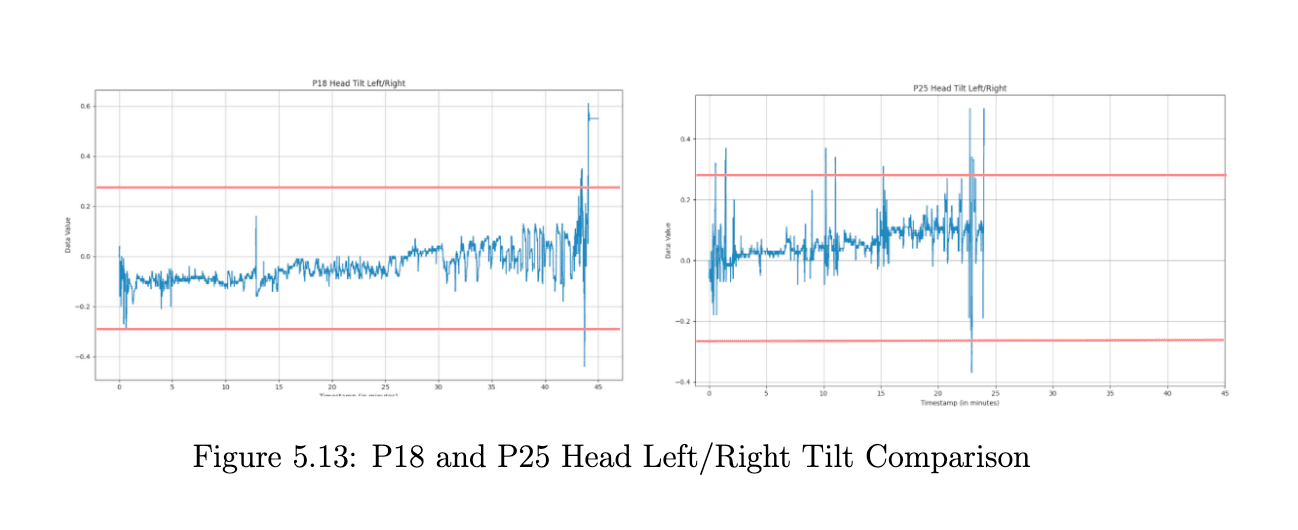
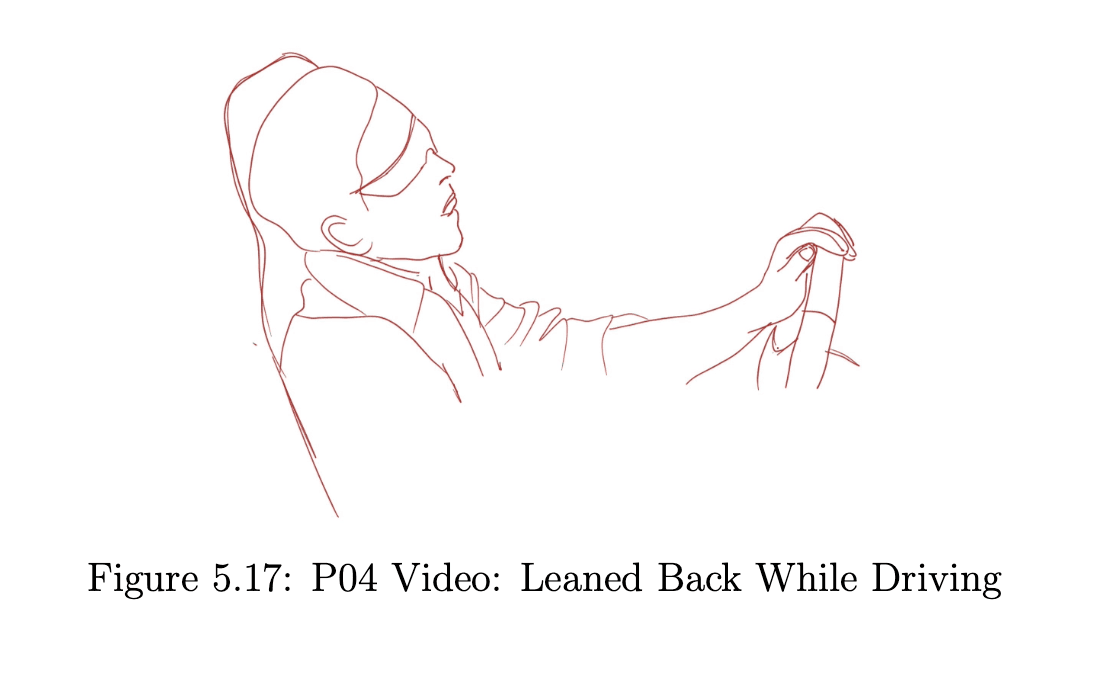
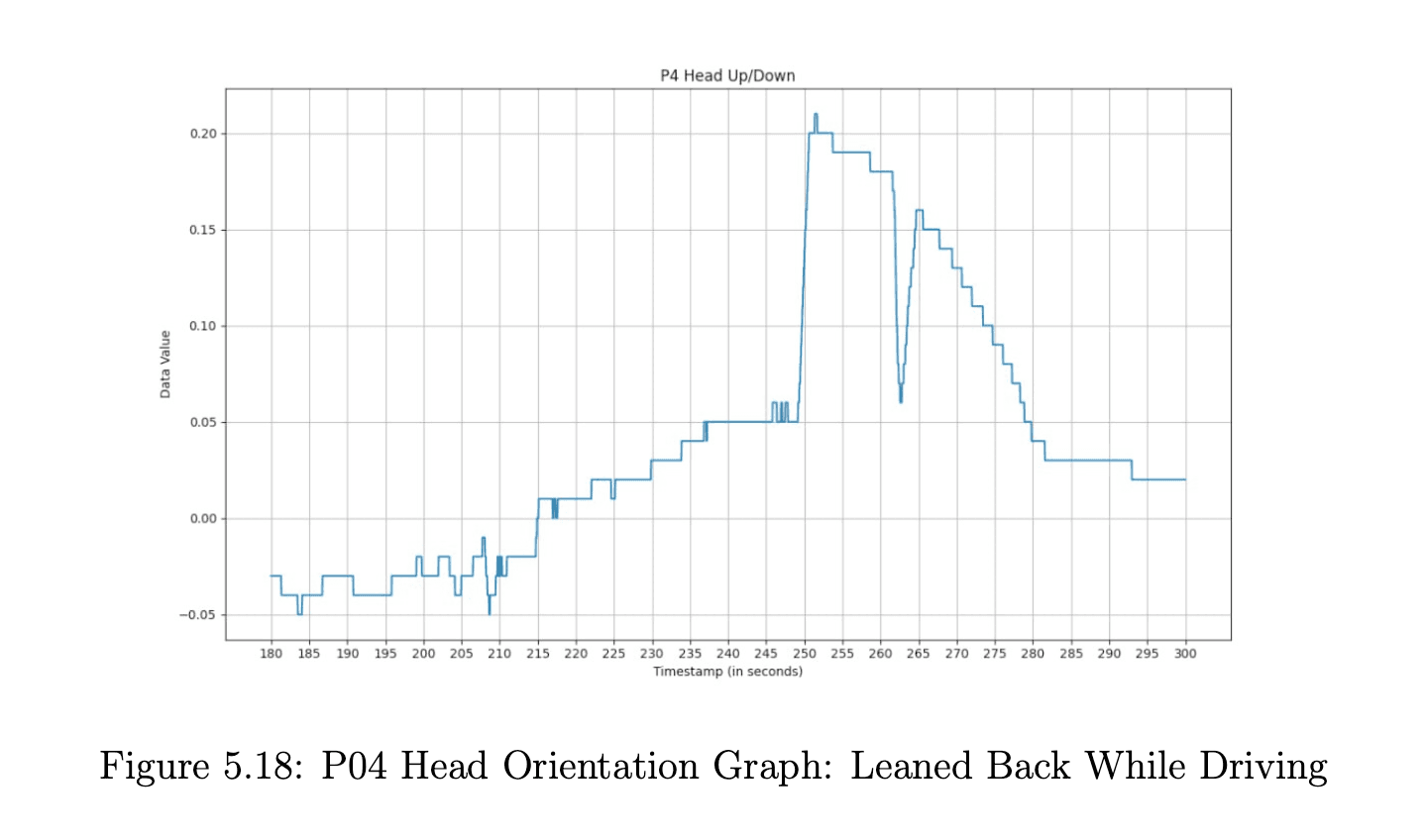
Through a 45-minute driving simulation study with 30 sleep-deprived and night-shift working drivers, we found that conversation (regardless of type) significantly reduces drowsiness during the interaction, with effects lasting 5 to 15 minutes post-conversation. The study also revealed that mundane conversation was overwhelmingly preferred by drivers for its natural, companion-like quality, while game-aided conversation introduced cognitive load that some participants found distracting in a driving context. Detection-wise, infrared-based eye blink frequency achieved a 90% true-positive rate, while head orientation proved to be a weak indicator of drowsiness behind the wheel.
The Problem
people die in road accidents annually worldwide, and drowsy driving's true prevalence is estimated to be 350% greater than reported cases.
Road accidents kill 1.3 million people annually worldwide, and drowsy driving is one of the most underreported contributors. In the Philippines alone, roughly 12,000 people die on the road each year, with drowsy driving disproportionately affecting young drivers aged 18 - 29.
road fatalities per year in the Philippines, with drowsy driving disproportionately affecting drivers aged 18 - 29.
Most proven countermeasures require the driver to stop driving entirely: pulling over for a nap, switching drivers, or consuming caffeine. While drivers consistently rank 'conversing with a passenger' as one of their preferred ways to stay alert, almost no research had empirically tested whether conversation actually works as an active, in-drive countermeasure. Interactive approaches like games were similarly under-explored.
| Works While Driving | No Passenger Needed | Always Available | Immediate Effect | |
|---|---|---|---|---|
| Pull Over for a Nap | — | ✓ | ✓ | ✓ |
| Switch Drivers | — | — | — | ✓ |
| Consume Caffeine | — | ✓ | — | — |
| Converse with a Passenger | ✓ | — | — | ✓ |
| RoadSpecs (Conversational Agent) | ✓ | ✓ | ✓ | ✓ |
Can a conversational agent, triggered by real-time drowsiness detection through smart glasses, keep drivers alert, and does the type of conversation matter?
Research & Discovery
Literature Review
We mapped the existing research across three pillars: drowsy driving countermeasures, drowsiness detection methods, and in-vehicle interactive systems. Detection methods were well-studied: EEG, computer vision, infrared sensors, but active countermeasures that work during the drive were severely under-researched. The few studies that touched on conversation and interactive media had contradicting results and lacked proper experimental testing.
Key insights from prior work
Participant Profile
We recruited 30 participants across three age groups (18-29, 30-39, 40-50), all of whom were either night-shift workers or sleep-deprived (fewer than 6-7 hours of sleep). This demographic reflected both the Philippine driver population and the groups most at risk for drowsy driving.
participants across three age groups: all sleep-deprived or night-shift workers at time of study.
Inclusion criteria
Ideation & Design
We designed a two-part system: a smart glasses prototype for real-time drowsiness detection, and a conversational agent that triggers intervention when drowsiness is detected.
Smart Glasses Prototype
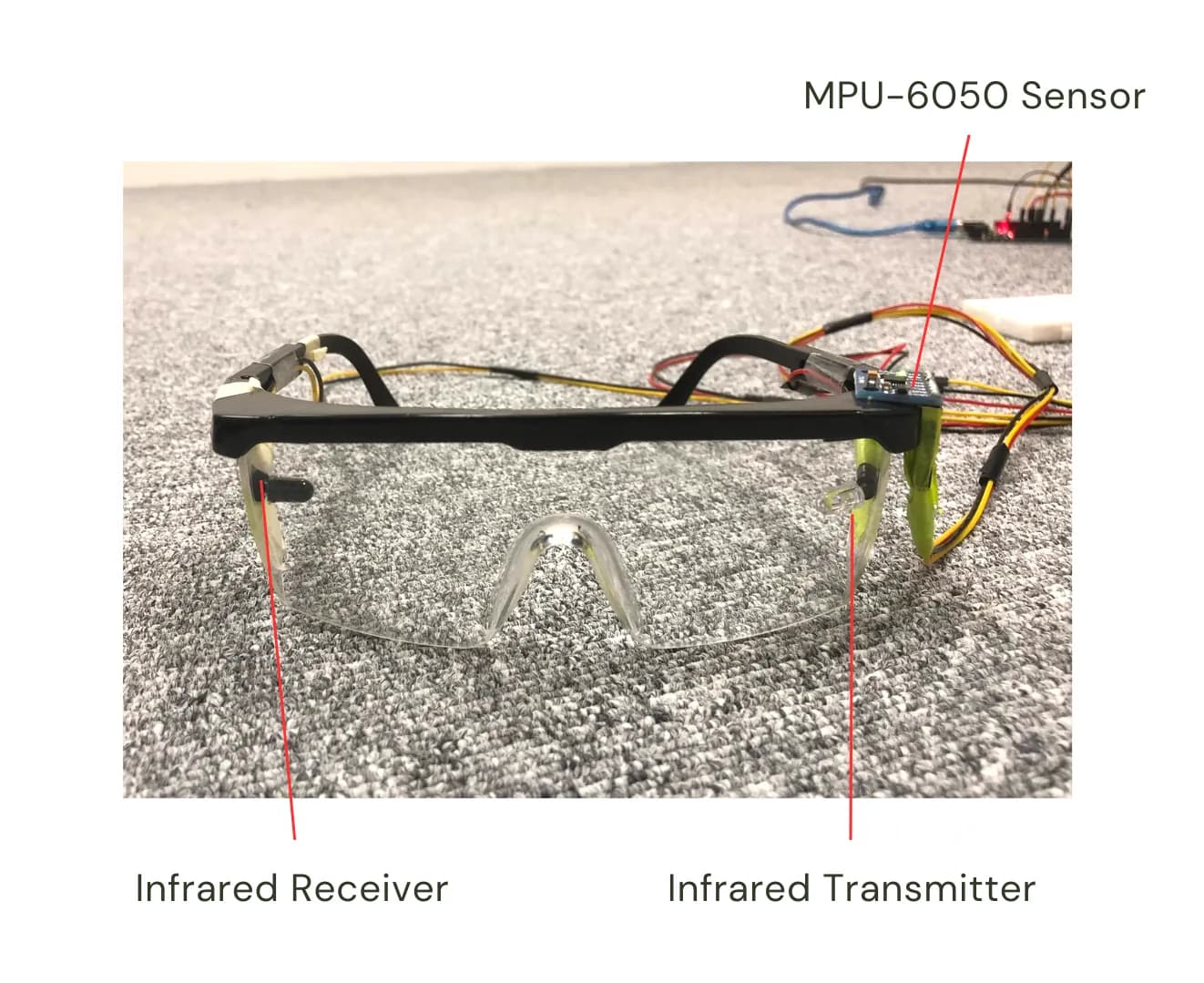
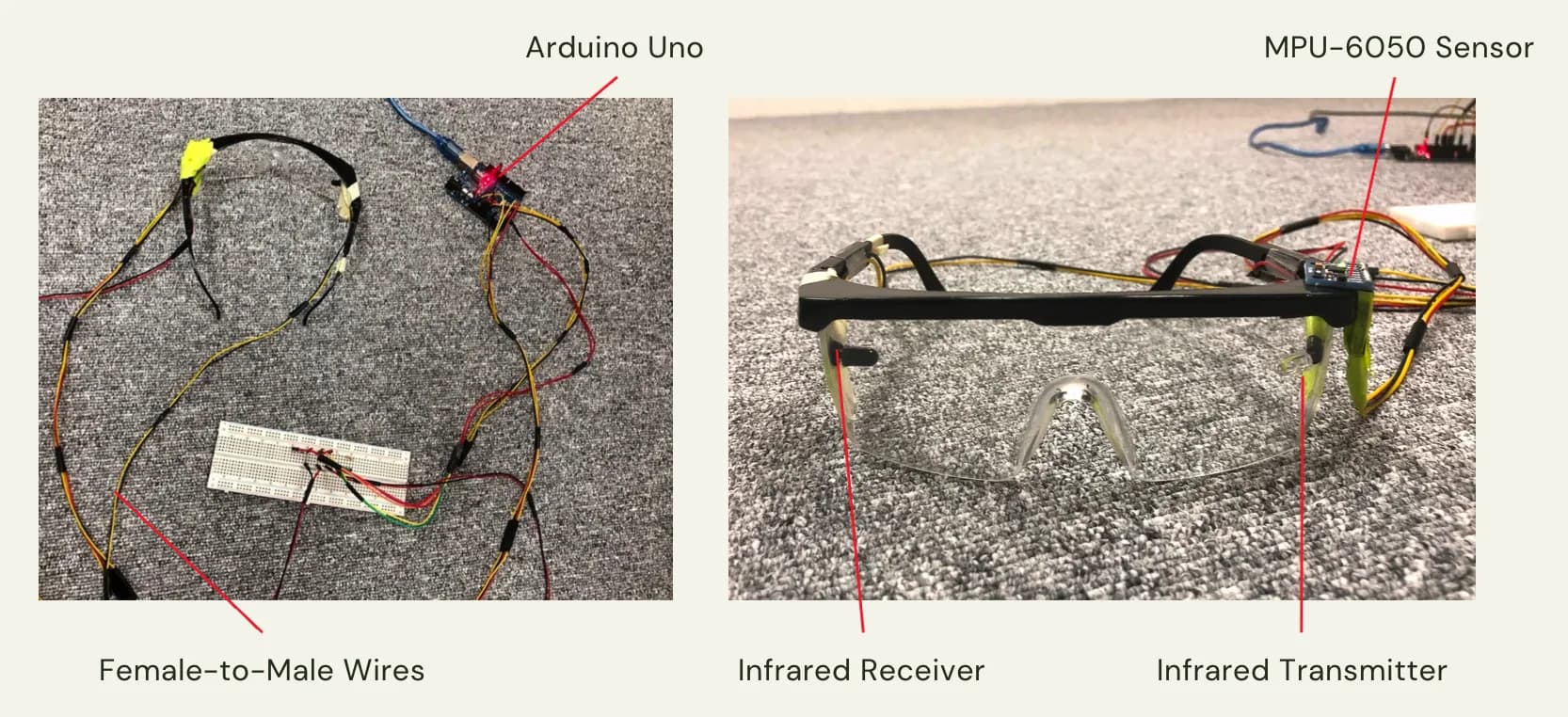
Glass frames embedded with an infrared sensor (measuring eye blink frequency) and an MPU-6050 gyroscope/accelerometer (measuring head orientation). We chose eyewear specifically because it was the least intrusive form factor for drivers, far more comfortable than EEG headsets or camera-based systems.
Drowsiness Detection Logic
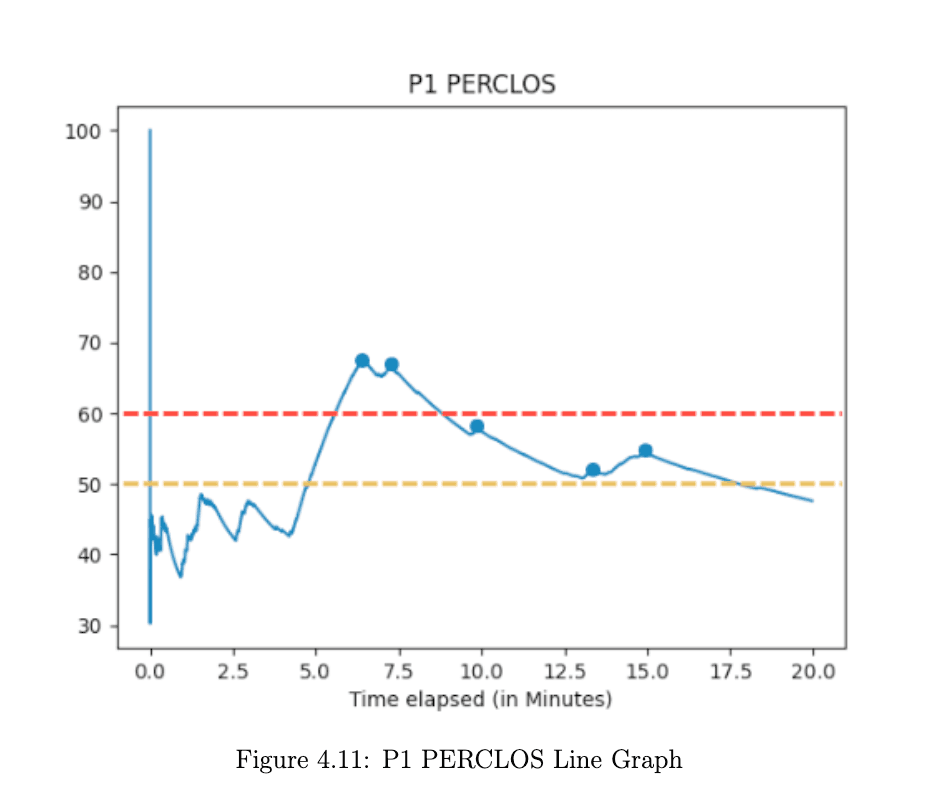
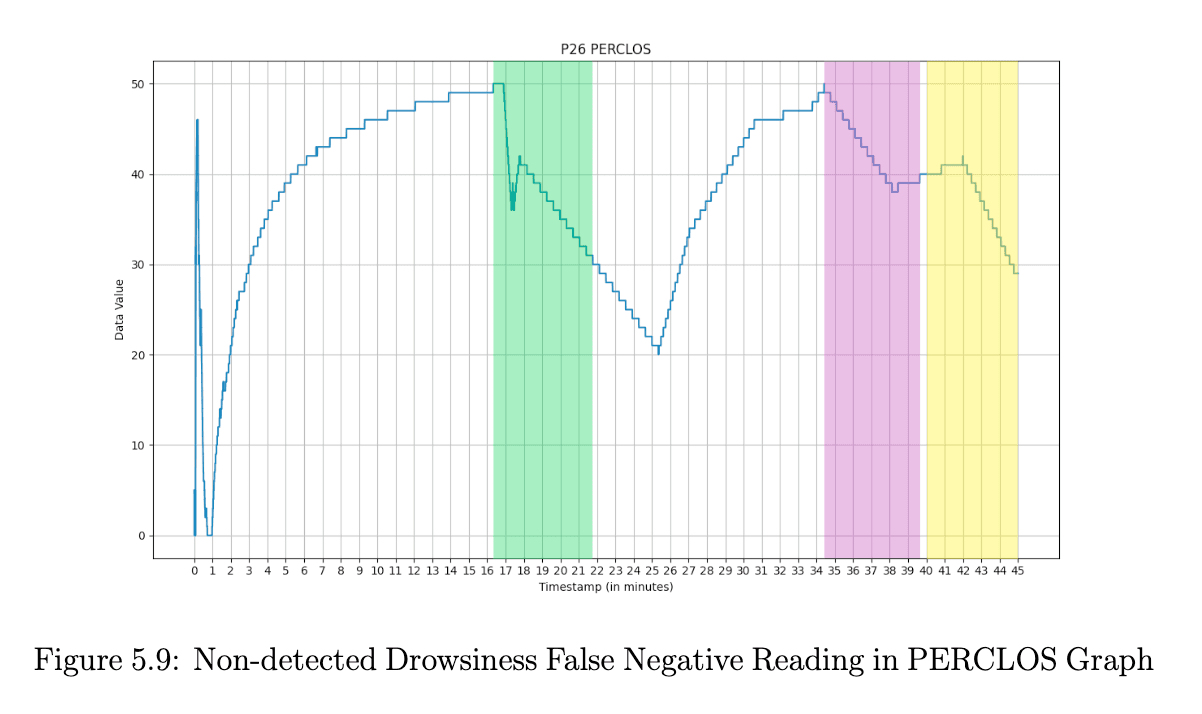
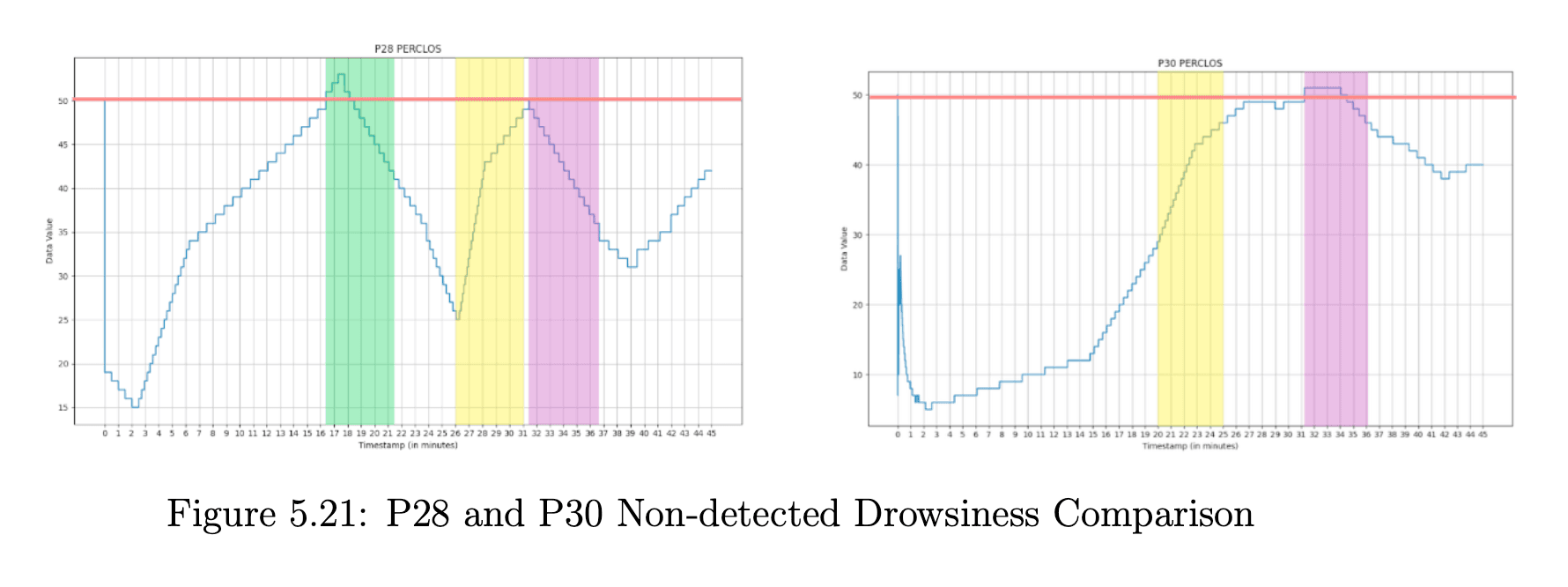
We calibrated the PERCLOS threshold through a preliminary study where participants performed mundane tasks while wearing the glasses, then self-annotated moments of drowsiness. A 50% PERCLOS threshold proved more accurate than the standard 60%, catching all self-reported drowsy states in our calibration participants.
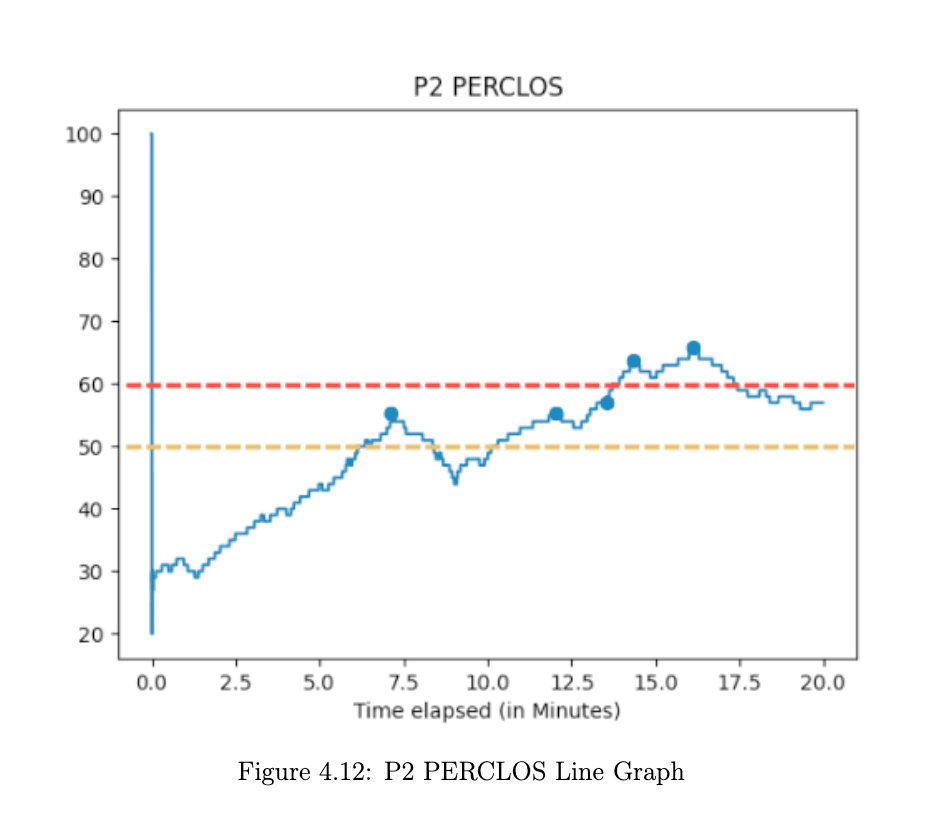
PERCLOS Threshold Calibration
⚠ Critical detection gap: 3 drowsy episodes missed by standard threshold
Calibration participants performed mundane tasks while wearing the smart glasses and self-annotated moments of drowsiness. The 50% PERCLOS threshold detected all drowsy states. The standard 60% missed 60% of them.
Conversation Design
We designed two distinct conversation types, each lasting approximately five minutes:
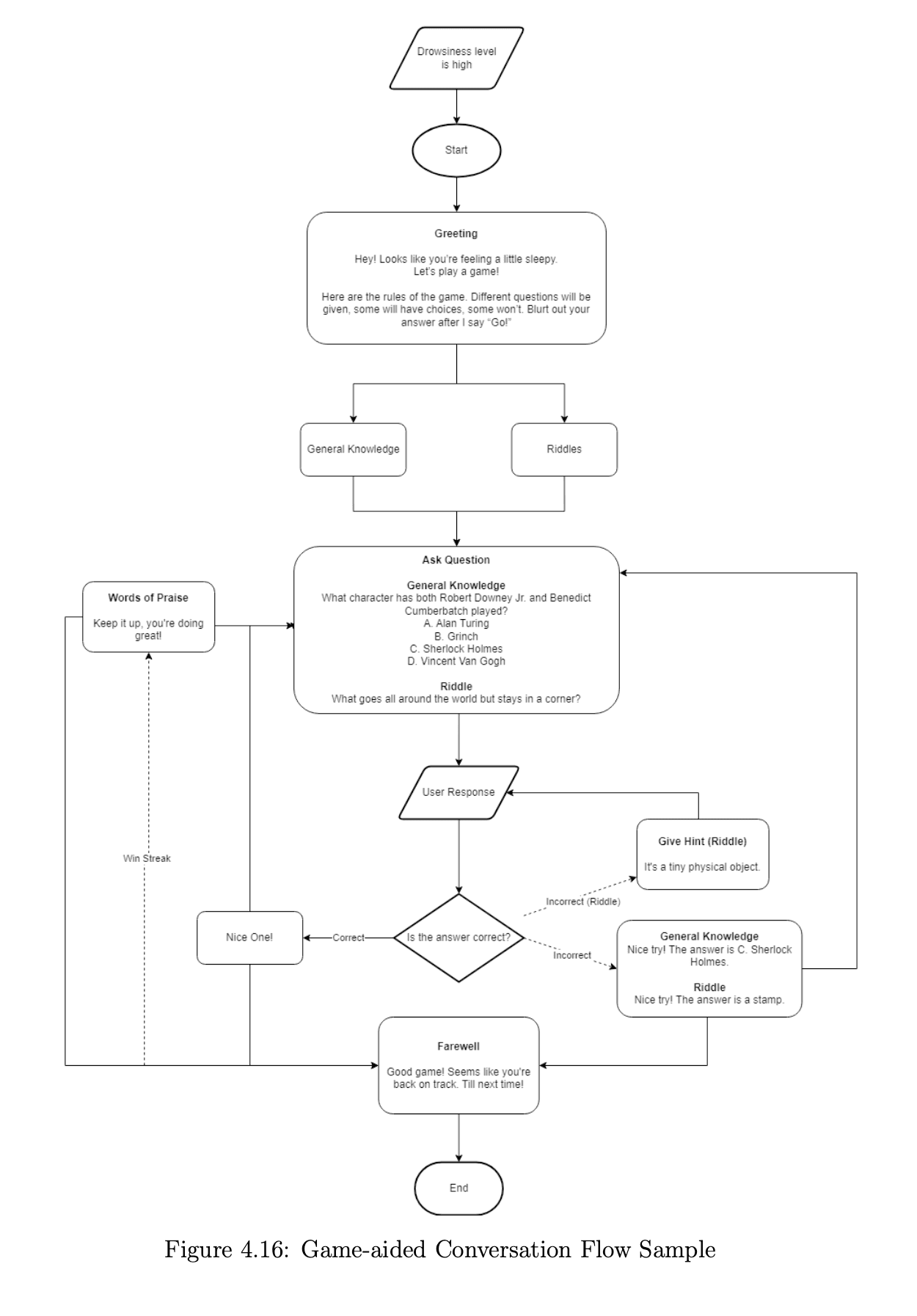
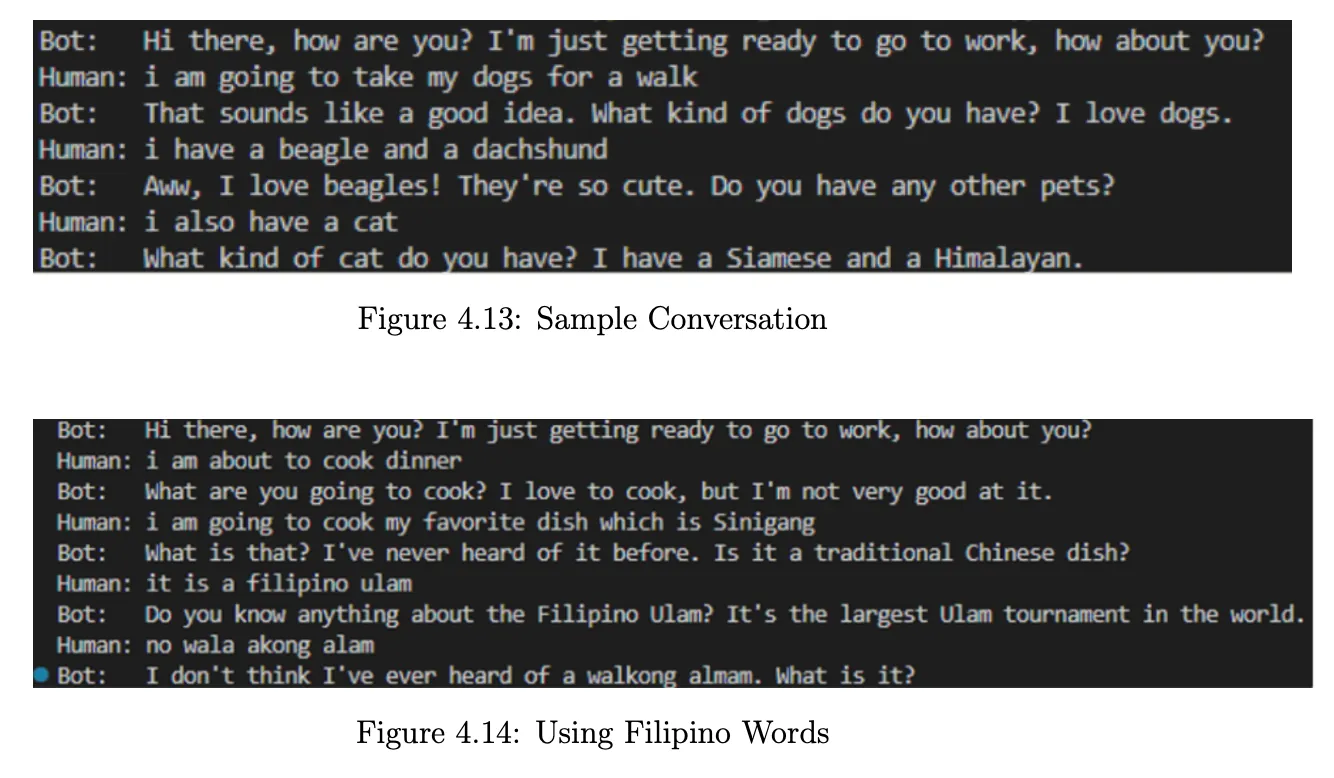
Experiment Design
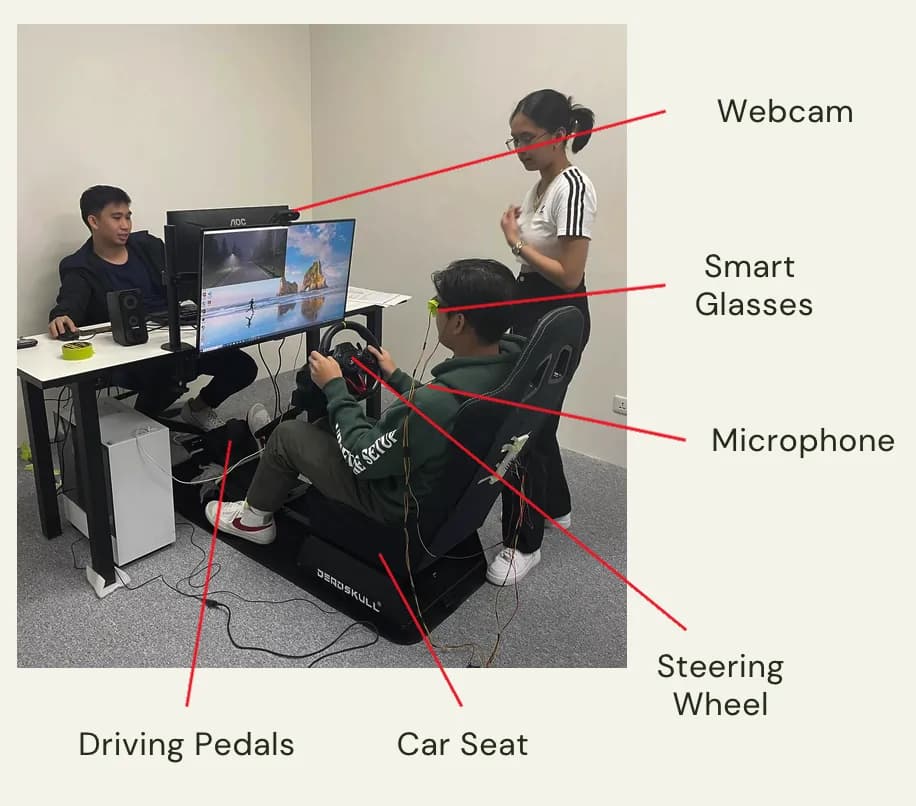
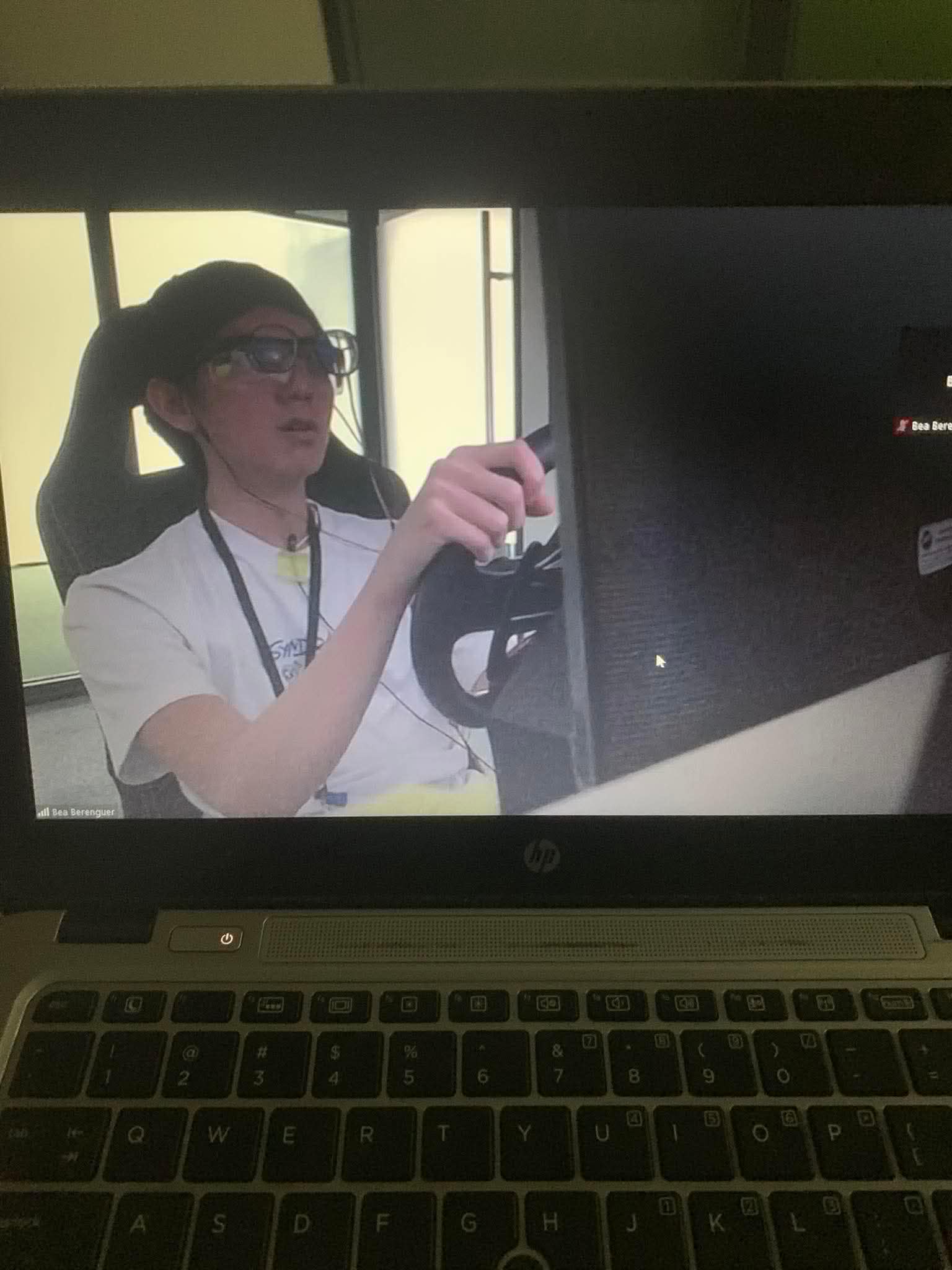
We built a full driving simulation setup using CARLA (open-source autonomous driving simulator) with a steering wheel, pedals, car seat, and monitor to replicate a driver's perspective. Each session followed a structured flow:
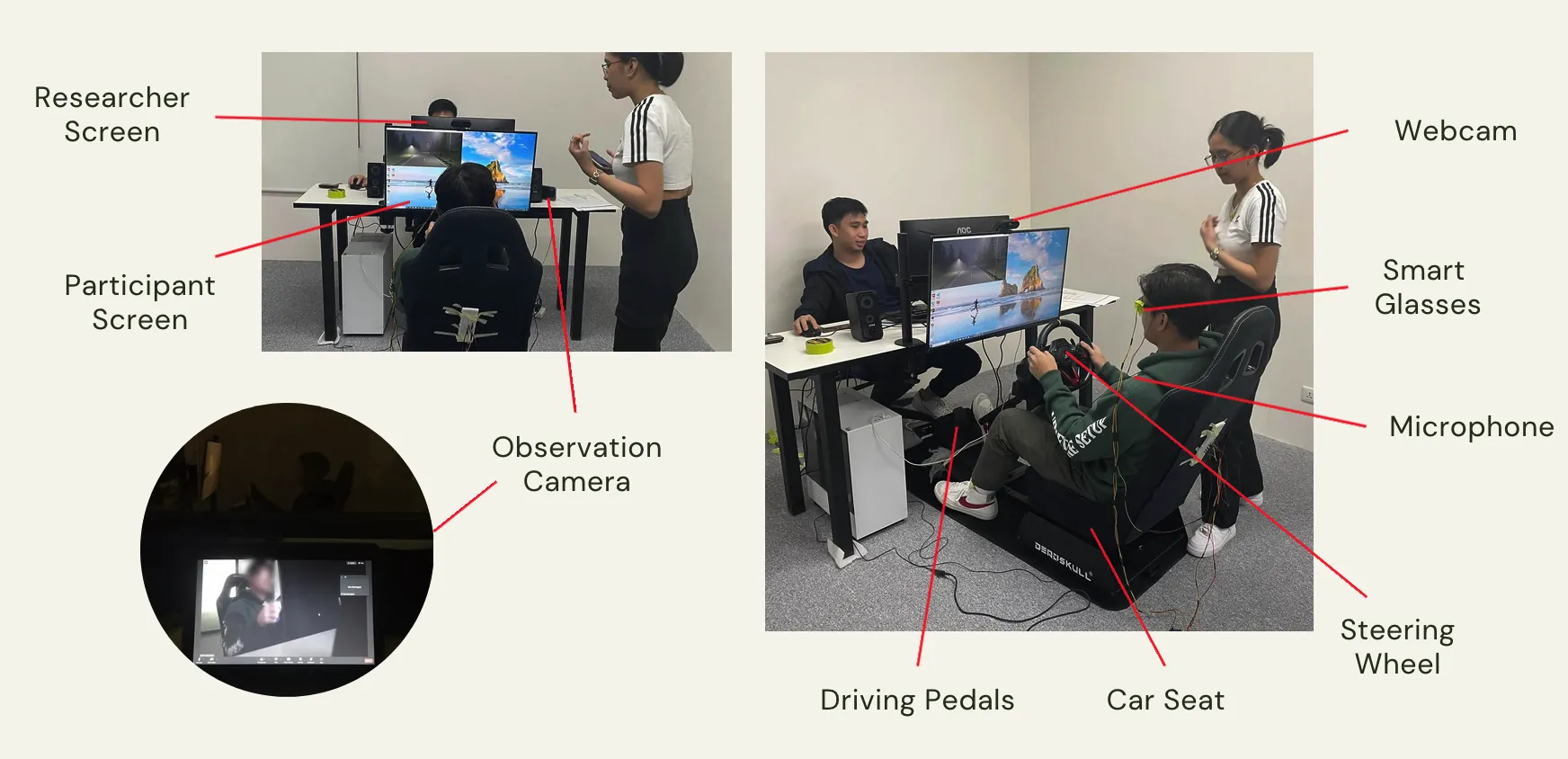
Key Findings
Drowsiness Detection Accuracy
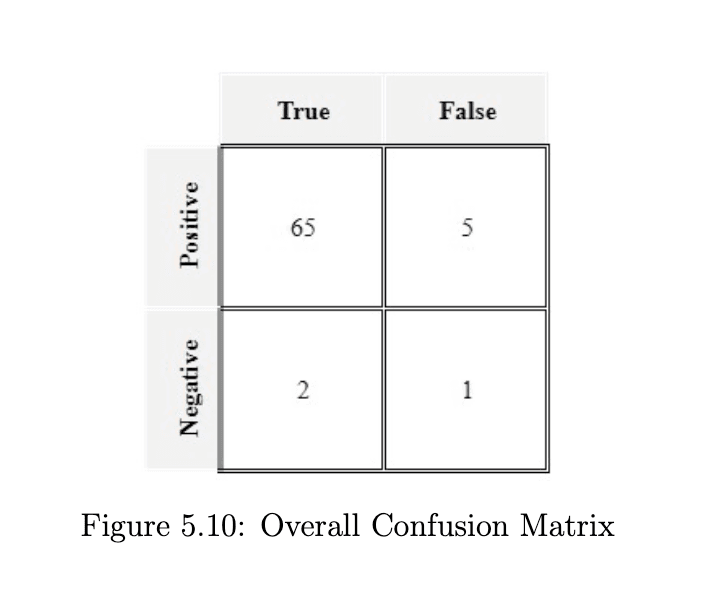
true-positive rate for infrared-based eye blink detection, matching participant self-reported drowsiness for both first and second conversation triggers.
Conversation Effectiveness
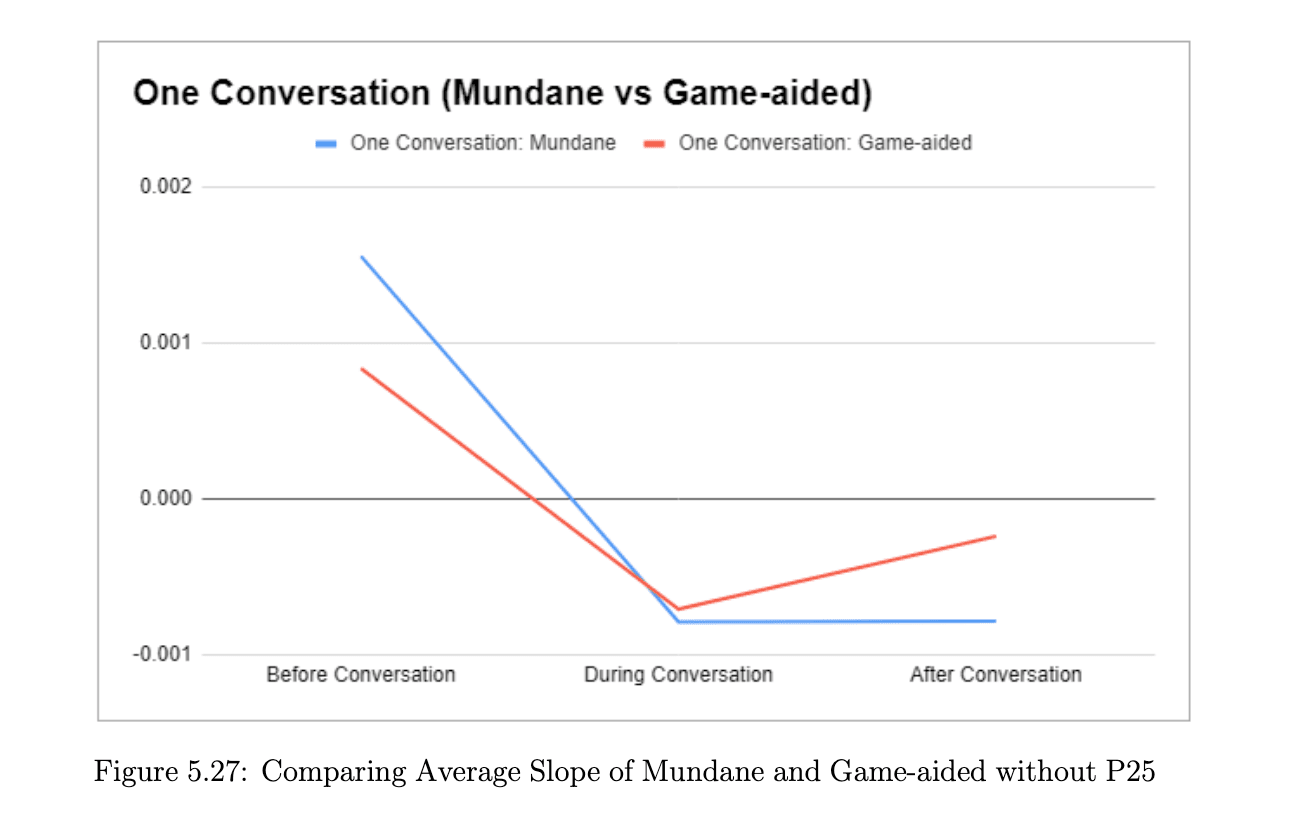
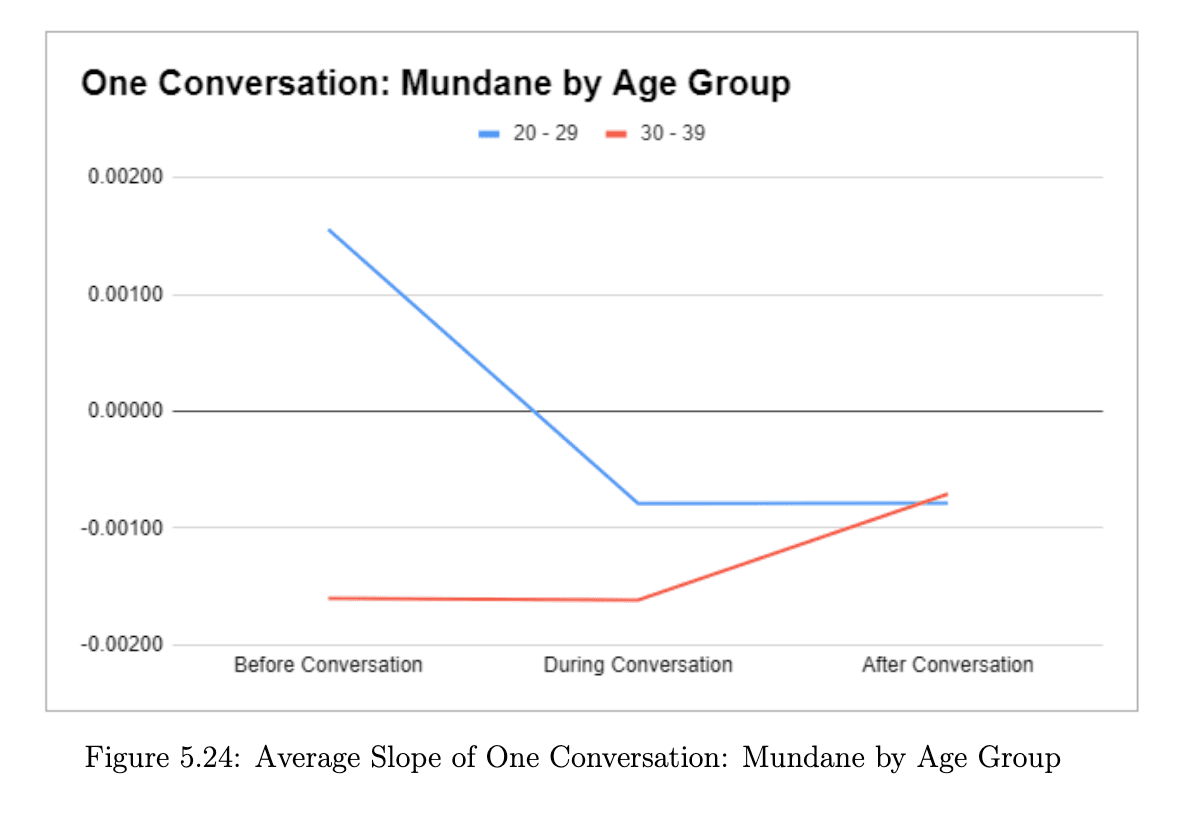
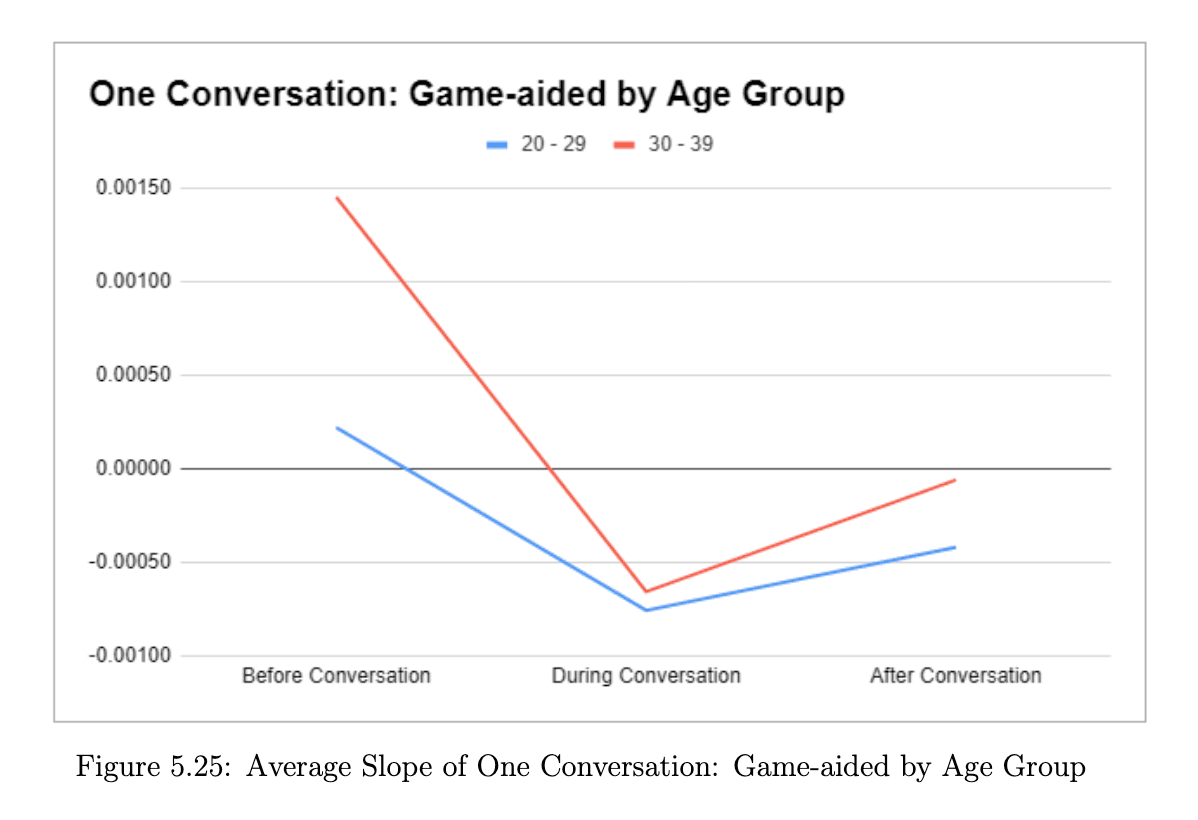
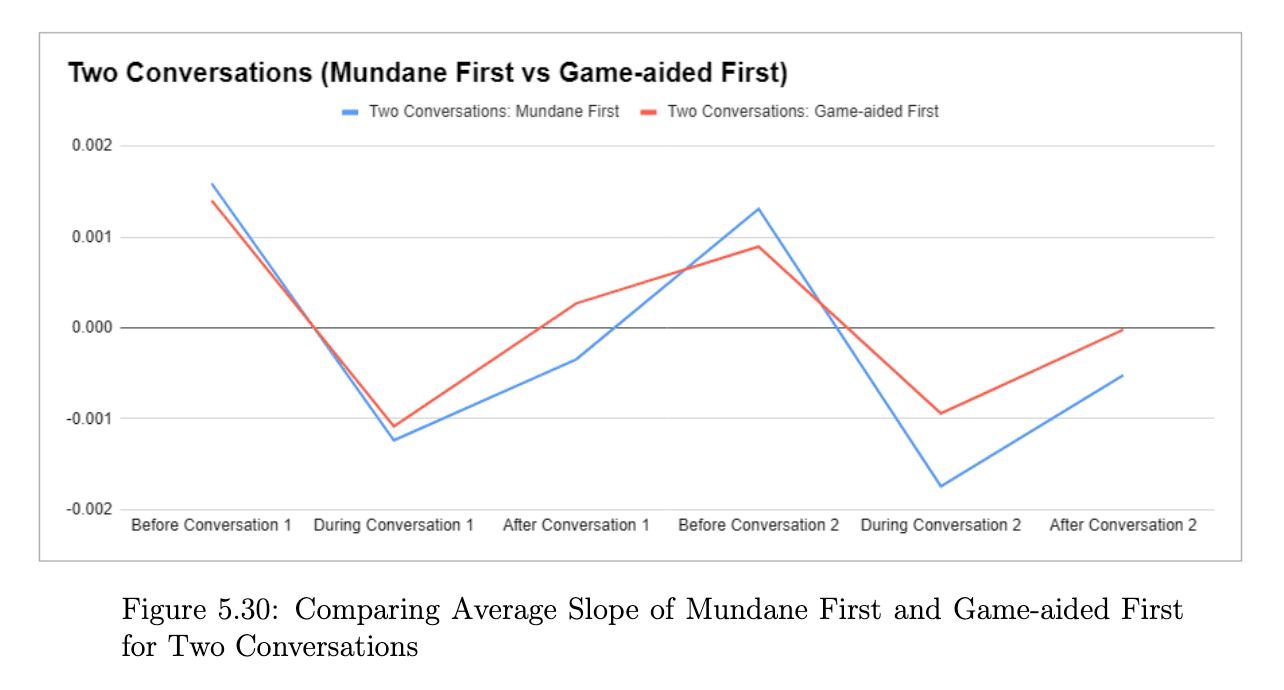
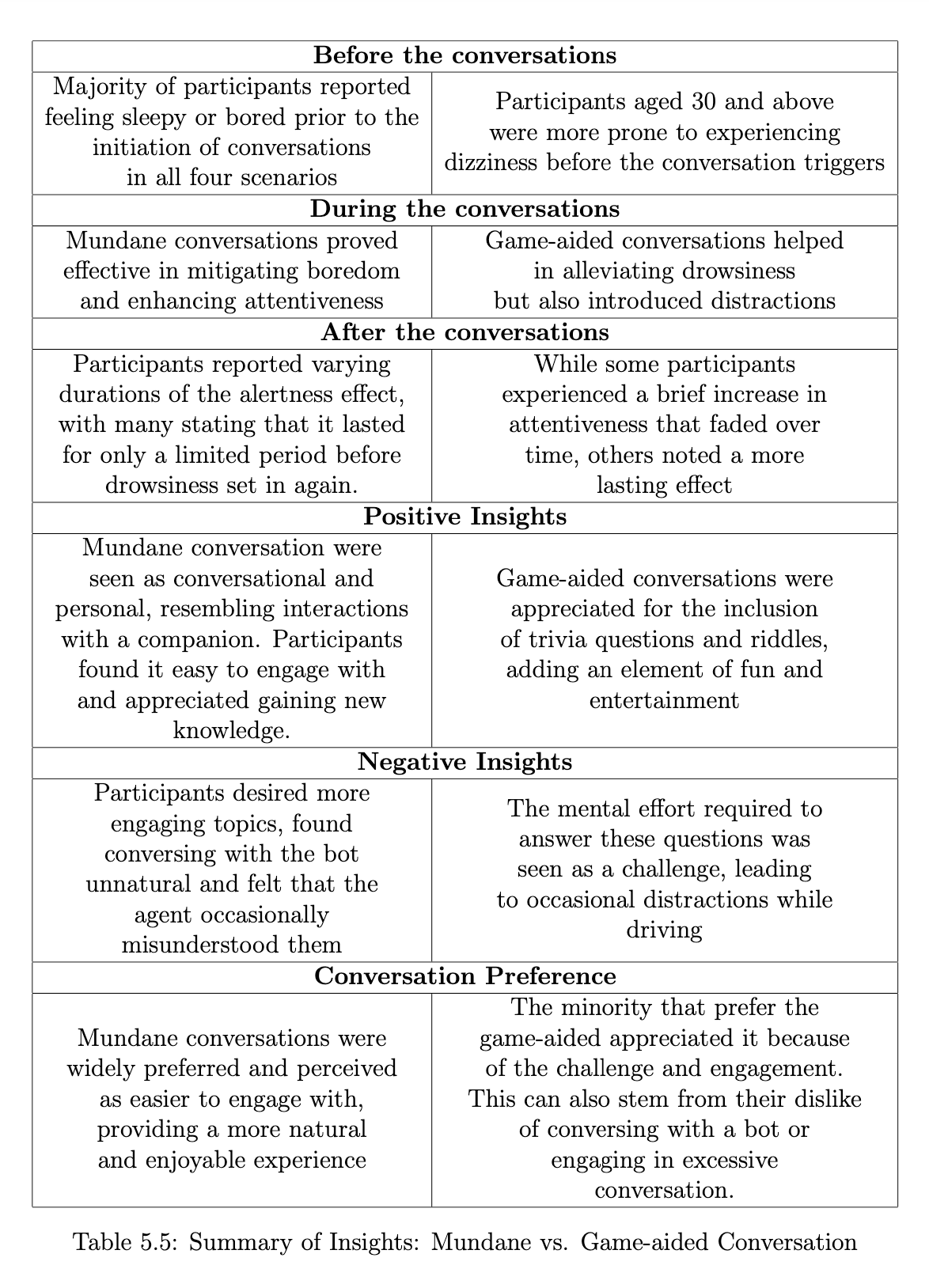
Both conversation types reduced drowsiness: mundane showed a slightly longer sustained effect
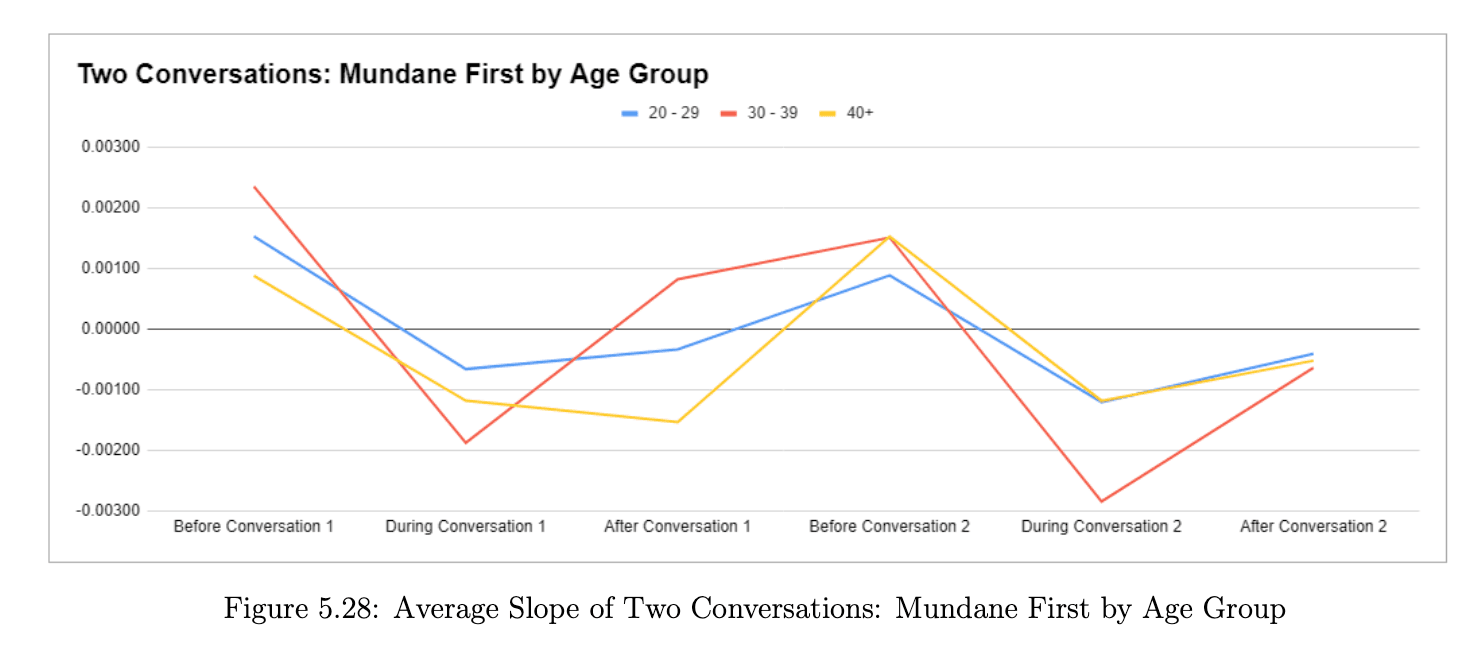
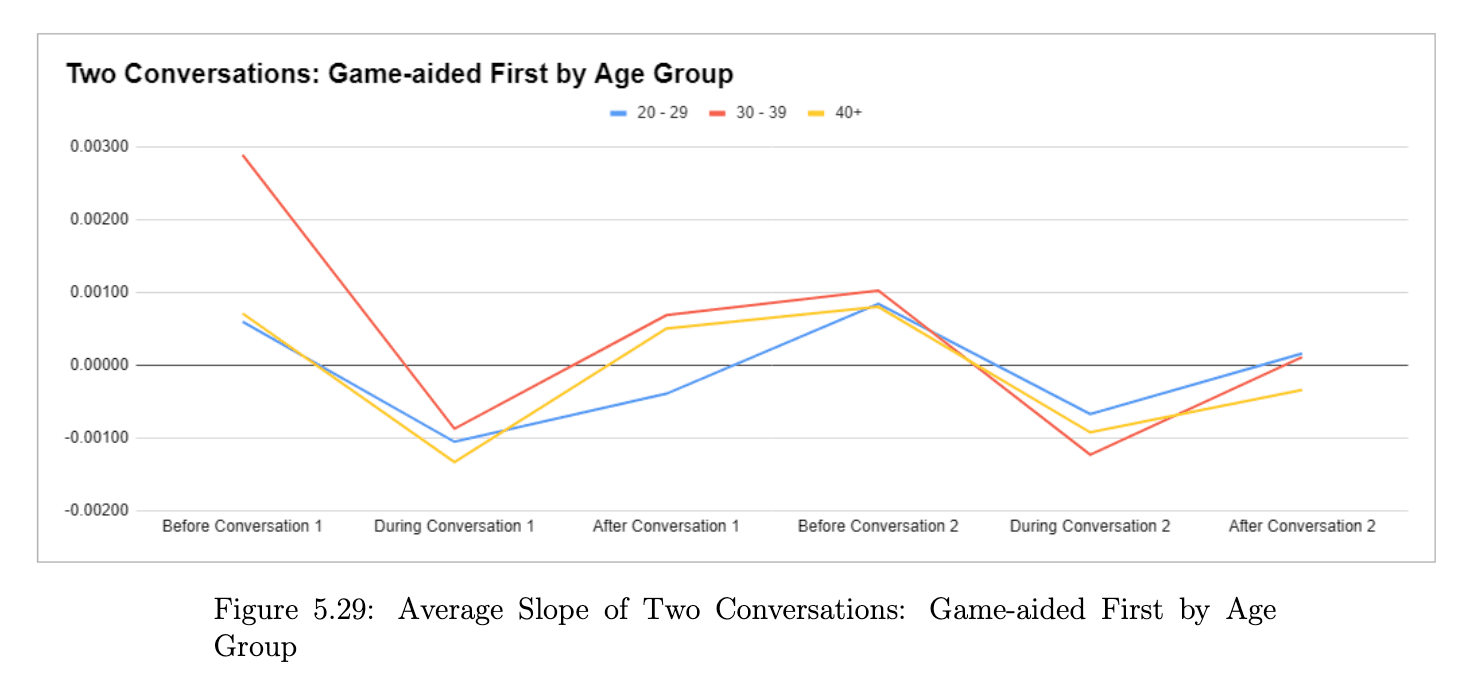
Participants who experienced mundane first had better outcomes, and paradoxically preferred the game-aided conversation that followed
Communication Breakdowns
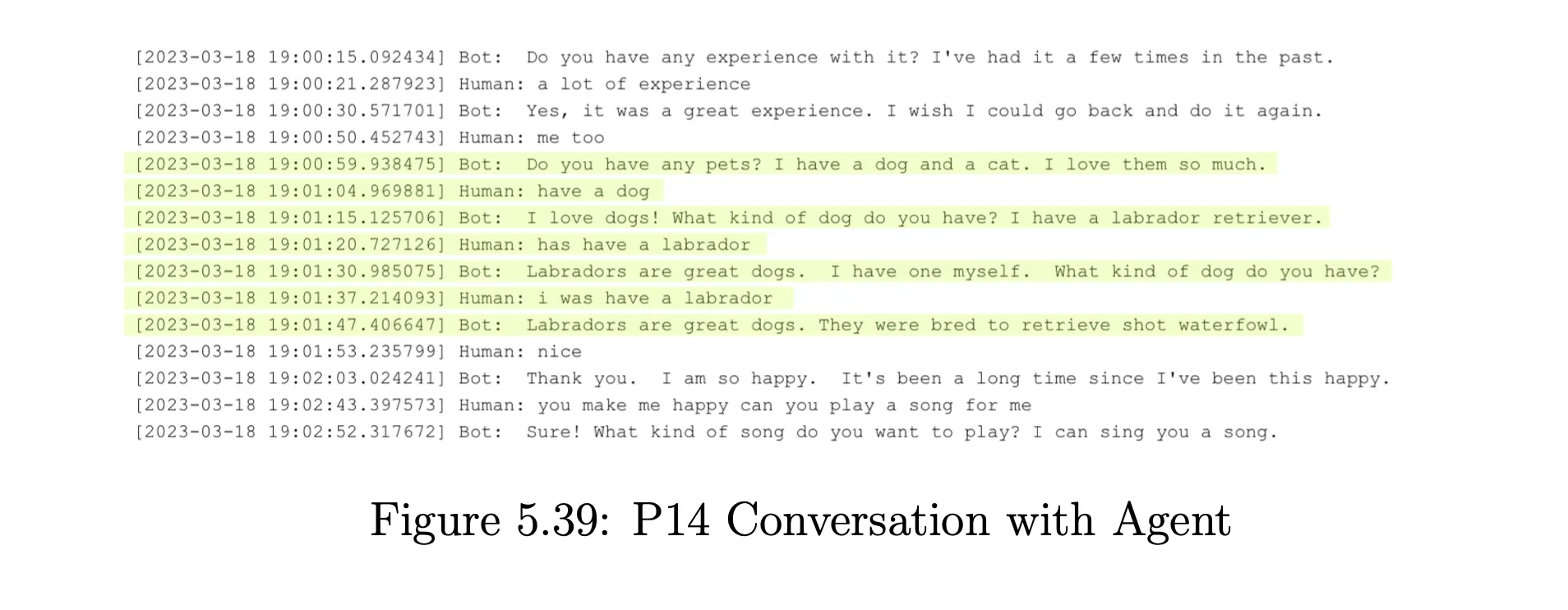
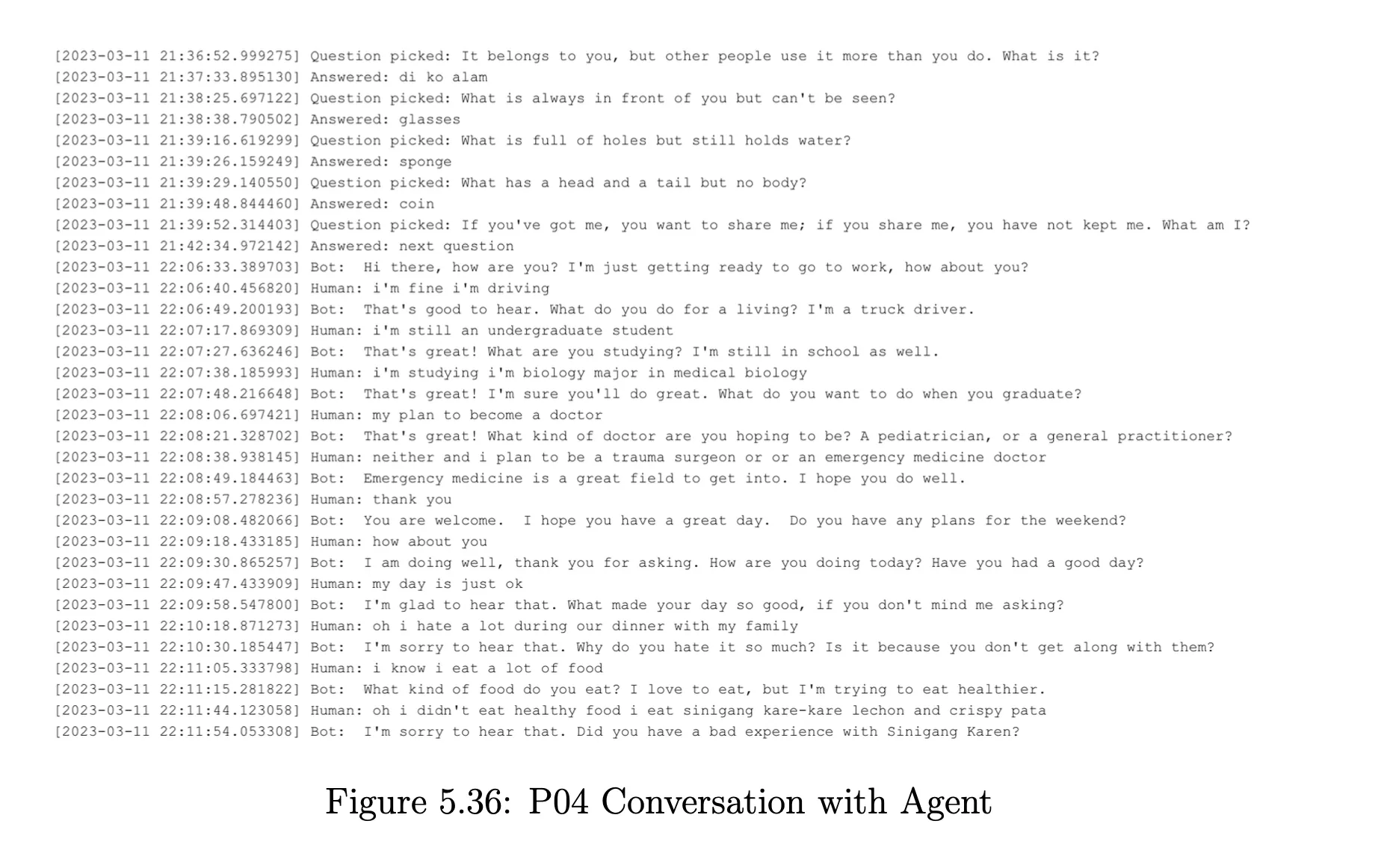
Speech-to-text accuracy was the primary friction point. Several participants reported the agent misunderstanding their responses, leading to unrelated follow-up questions or repetitive prompting. Participants who code-switched into Tagalog encountered the English-only language barrier, though the agent attempted to continue the conversation around unfamiliar words.
Results & Impact
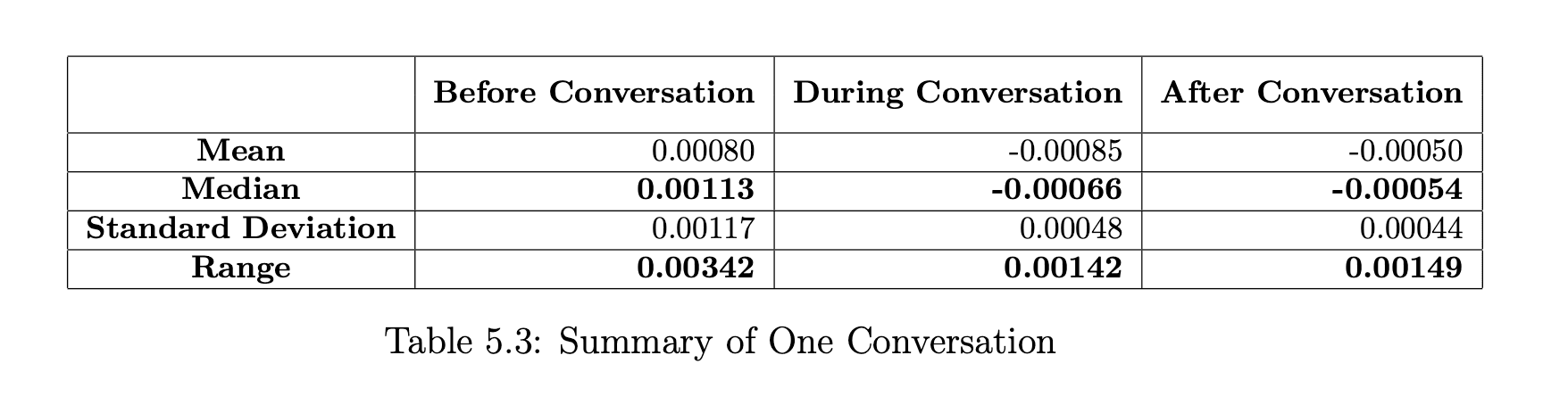
Conversation works, but temporarily. This study provided the first empirical evidence that conversation, regardless of type, significantly alleviates drowsiness in drivers for a short period (5-15 minutes). This positions conversation as a viable supplementary countermeasure, not a replacement for pulling over.
true-positive drowsiness detection rate
across all 30 participants
alertness window post-conversation
before drowsiness returns
participants showed reduced drowsiness during conversation
in sustained engagement & participant preference
Reflection
This project shaped how I think about designing for high-stakes, real-world contexts. A few things I'd carry forward: